Phantasmagoria
Museum of Fine Arts, Boston, 2018
Role: Exhibition Designer
Team: Curator Ben Weiss; Graphic Designer Nick Pioggia
Photos courtesy of MFA, Boston
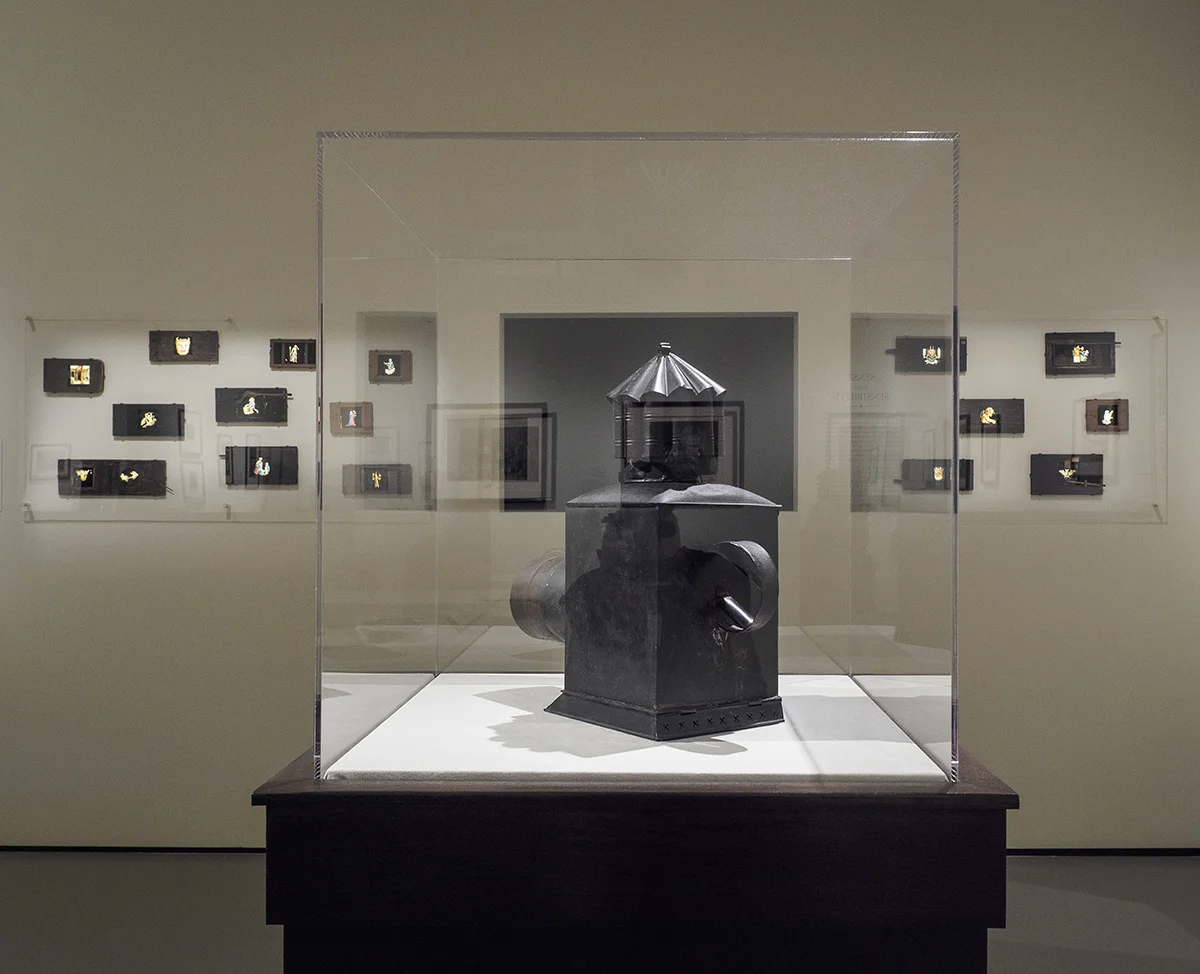
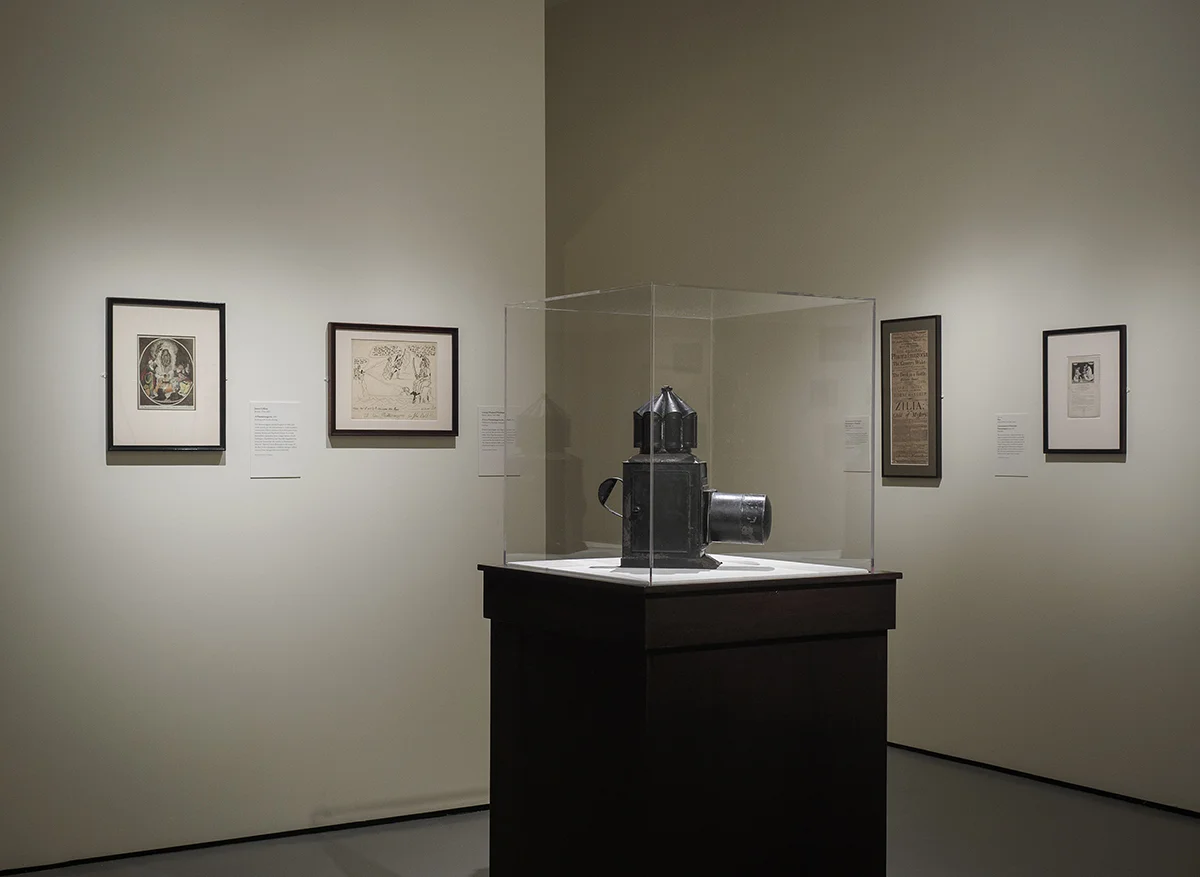
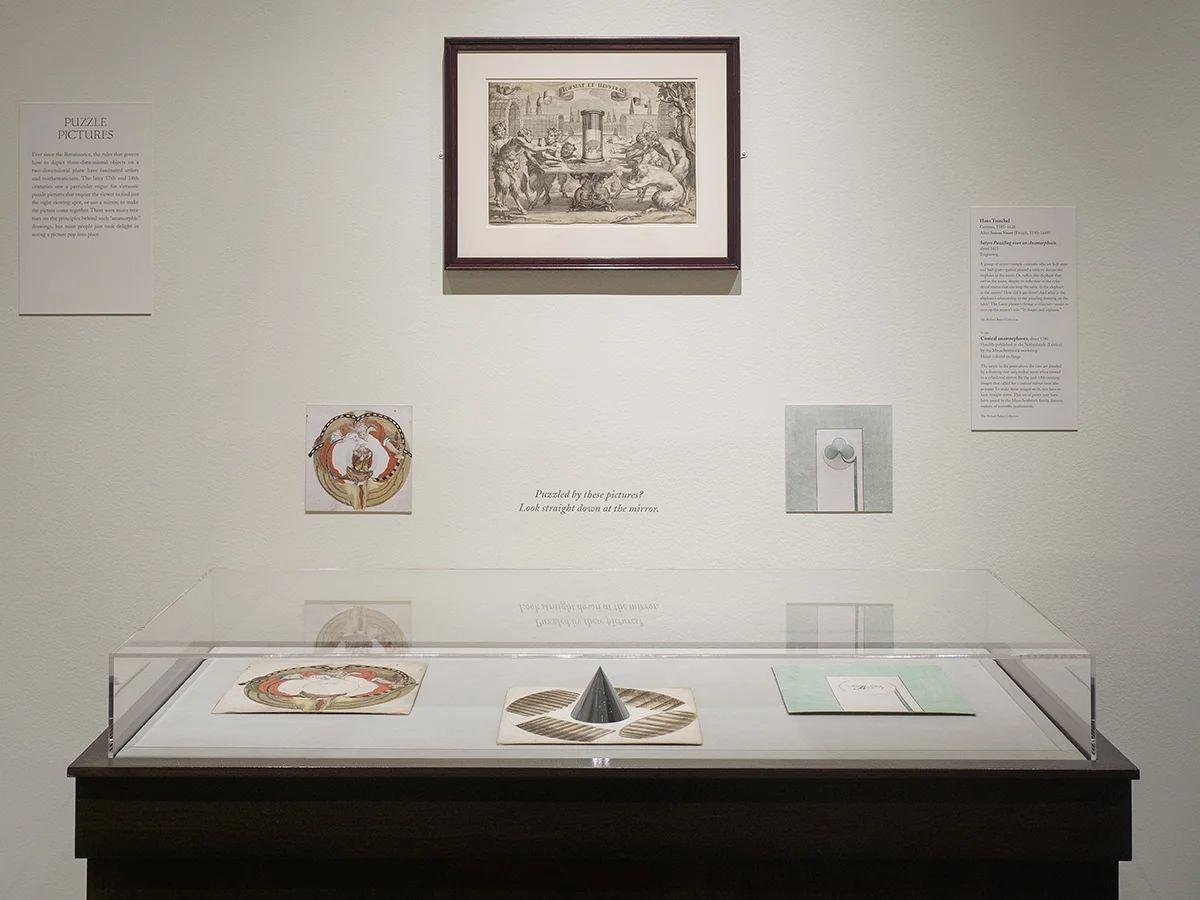
This exhibition examined early 19th-century forms of pre-cinema entertainment through the optical illusion devices that produced them — magic lanterns, conical mirrors, and the visual spectacles they made possible.
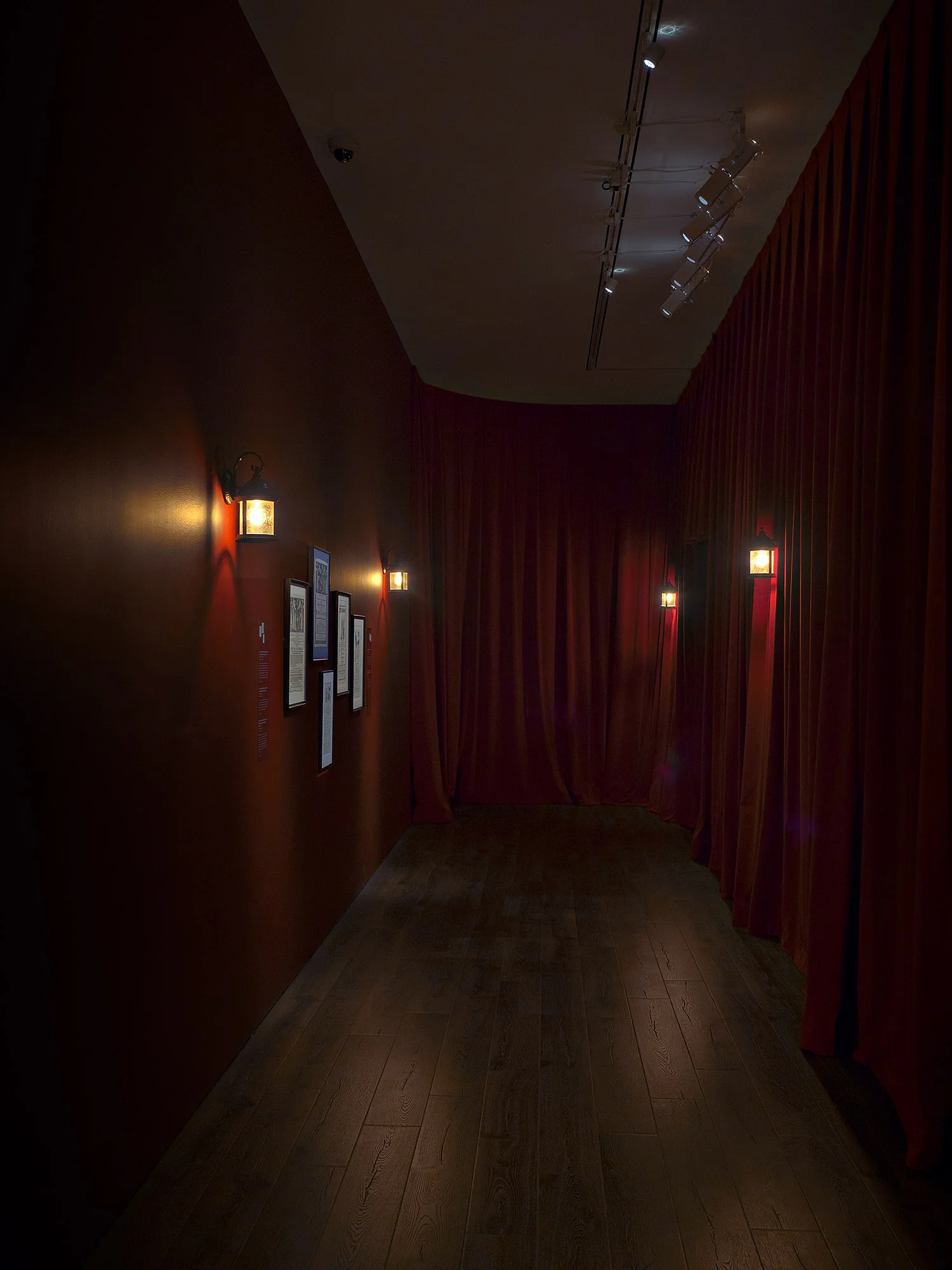
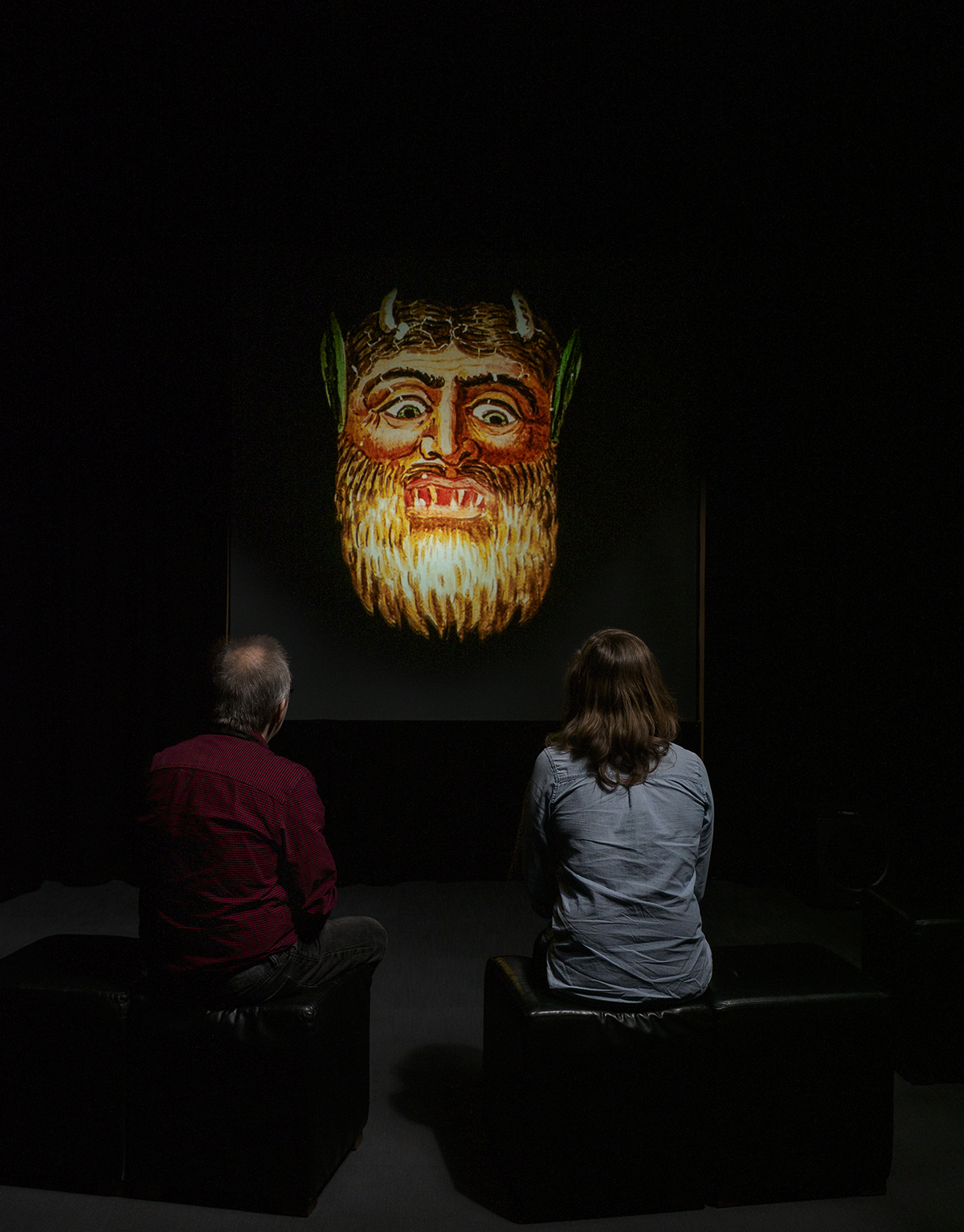
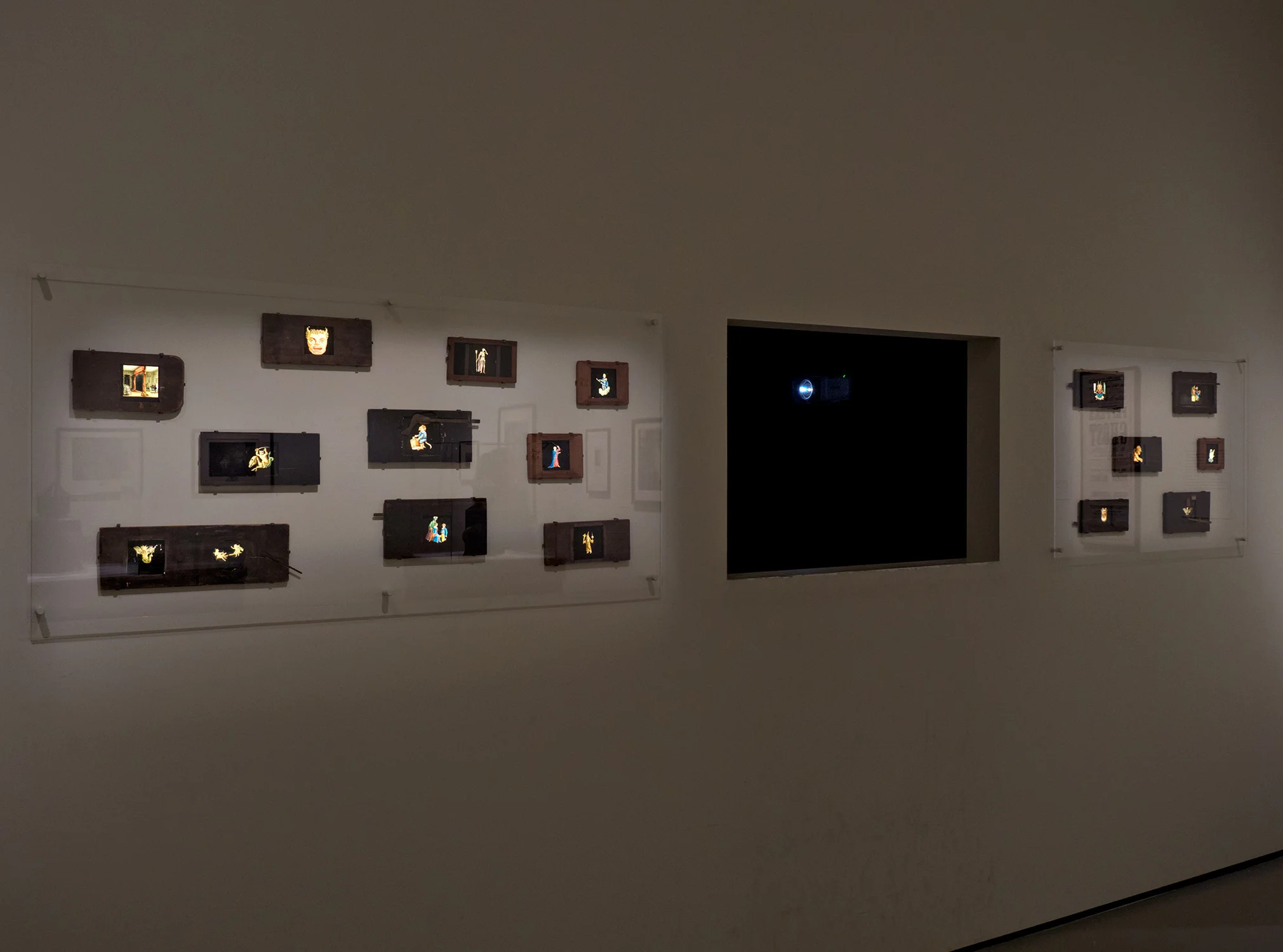
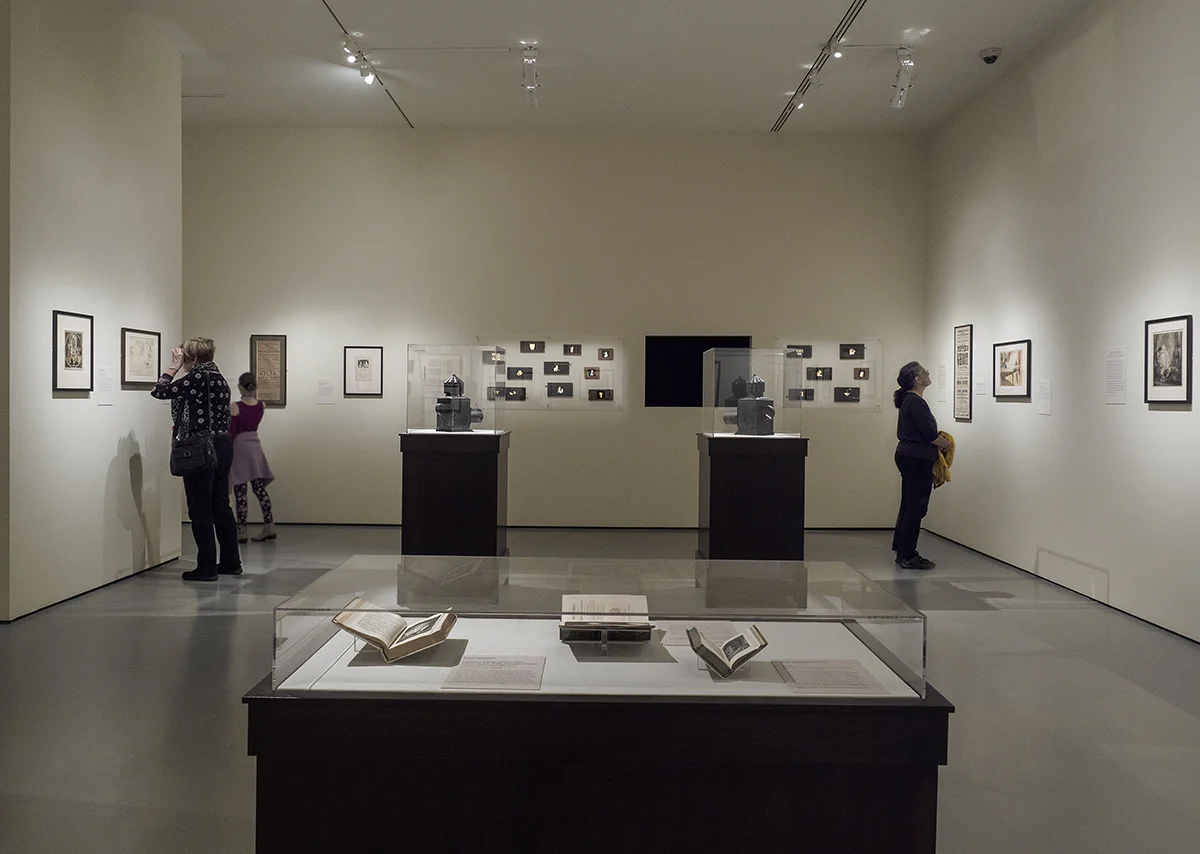
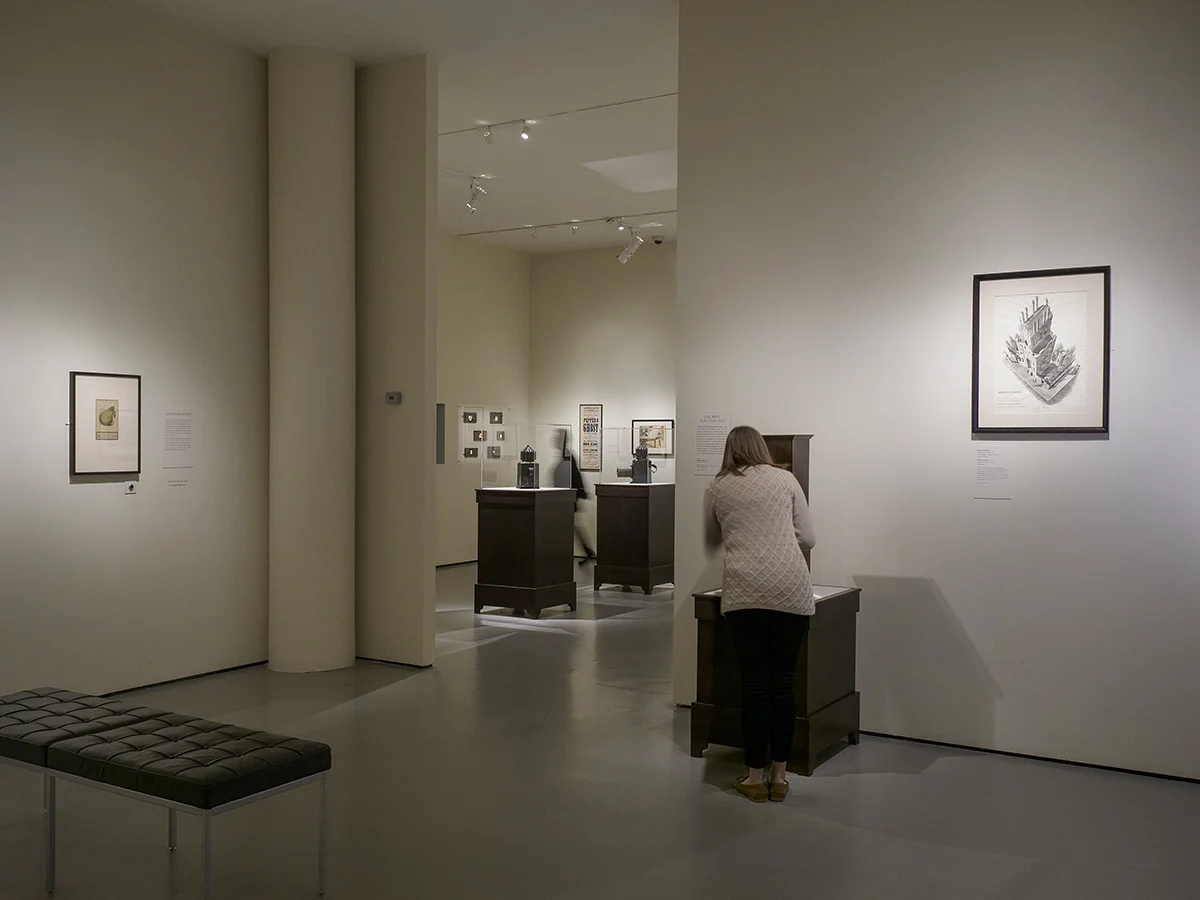
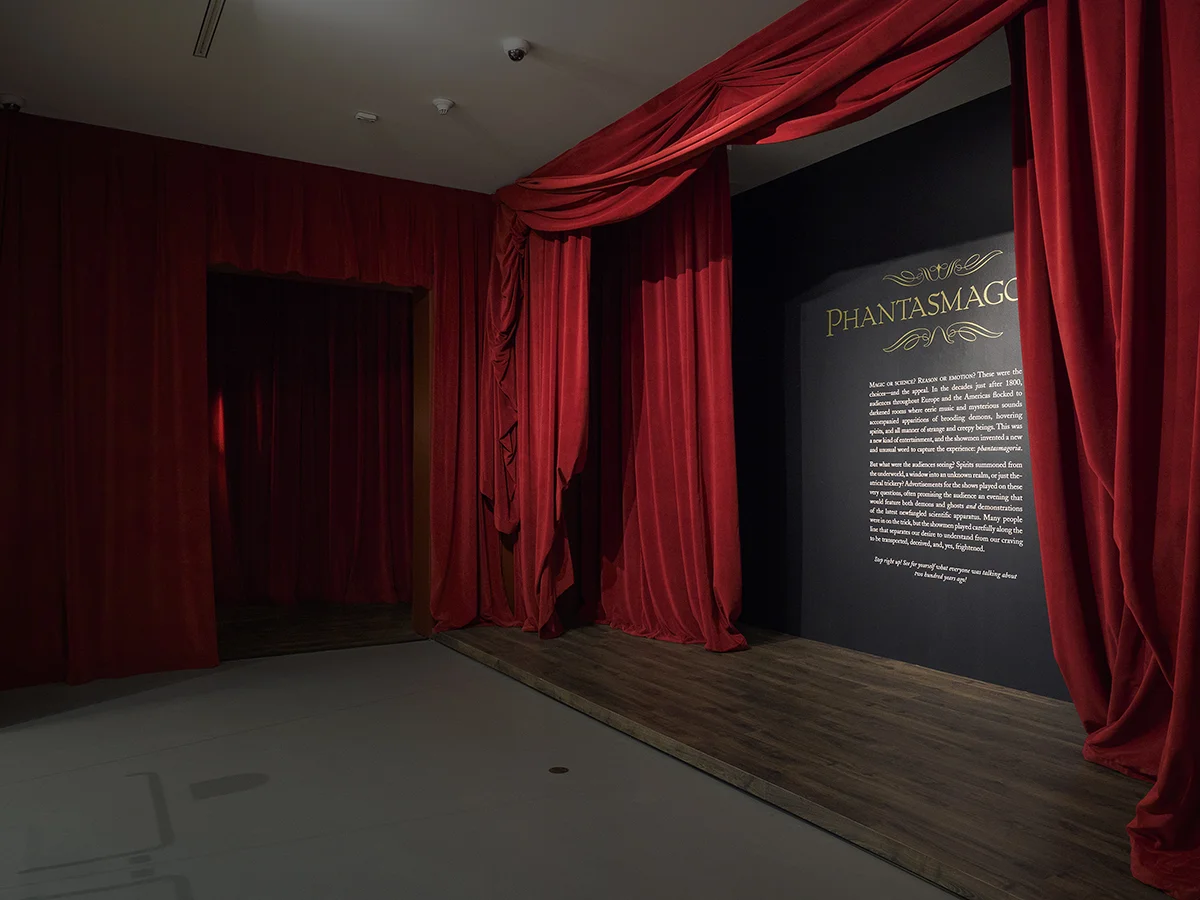
The Visitor Journey. The design drew directly from the drama of early magic lantern performances. Visitors entered through a dimly lit, curtain-lined hallway that led into an intimate theater space, immersing them in the atmosphere of the experience before encountering the objects themselves. Passing through, they could view lantern slides up close while a cut-out window in the wall offered a glimpse of the magic lantern setup behind the curtain. From there, the exhibition opened into a larger gallery featuring works on paper, optical prints, hand-painted slides, and optical devices.
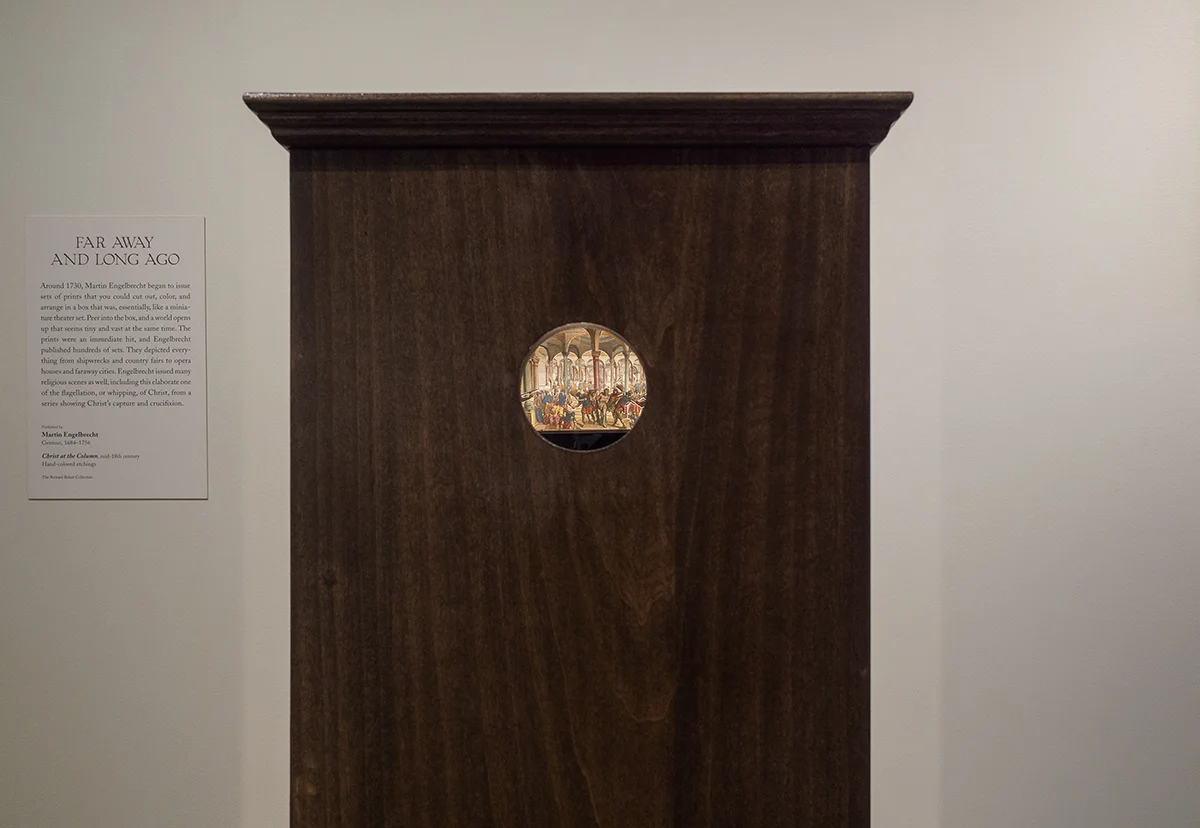
Casework and Display. To allow visitors to see the paintings on the lantern slides as they were intended to be seen, an LED light panel was integrated into the wall, with individual cut-outs positioned behind each slide's drawing. Casework throughout the show echoed the visual language of the period, and included a reconstructed peepshow device — built by layering cut-out sheets vertically and using lights and mirrors to resolve into a single image, viewed through a peephole at the front.